The rail waybill can seem like a puzzle at first. Lots of forms and details might feel confusing. But it’s really just a key document for tracking your train shipments.
We’ll walk through it step by step, making it super simple. Get ready to feel confident about what a rail waybill is and how it works. Let’s make shipping by rail easier!
Key Takeaways
- A rail waybill is the main document for tracking shipments on a train.
- It contains important details about the sender, receiver, and what’s being shipped.
- Understanding the rail waybill helps you track your goods and resolve issues.
- You’ll learn how to read the key parts of a rail waybill.
- We will cover why it is important for both senders and receivers.
- This guide makes the rail waybill clear and easy to manage.
What Is A Rail Waybill
A rail waybill is much like a receipt for your goods sent by train. It’s a legal document that shows the contract between the shipper and the railway company. This paper tells everyone involved what’s on the train, who sent it, who gets it, and where it’s going.
It’s super important for making sure your stuff arrives safely and on time. Think of it as the shipping ticket for your cargo.
The Purpose of A Rail Waybill
The main job of a rail waybill is to track your shipment. It has a unique number that lets you follow your goods as they travel across the country. It also lists all the things that are being sent.
This helps prevent mistakes and makes sure the right items go to the right place. It’s essential for business because it proves you sent something and that the railway company agreed to carry it.
Without a proper rail waybill, it’s very hard to know where your goods are. It can also cause problems if there are delays or damages. The document acts as proof of shipment.
It lists the origin and destination. It also details the type of goods, their weight, and any special handling instructions. This information is vital for customs, insurance, and disputes.
Key Information Found On A Rail Waybill
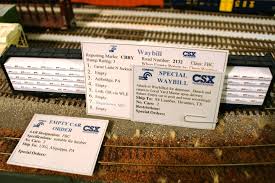
A typical rail waybill contains several important pieces of information. This includes the names and addresses of the shipper and the consignee (the person or company receiving the goods). It also shows the origin station and the destination station.
The description of the goods is very detailed. This covers the type of commodity, its weight, and the number of packages or units.
Another critical element is the waybill number itself. This unique identifier is used to track the shipment throughout its journey. Other details might include special instructions for handling the cargo, like if it needs to be kept at a certain temperature or handled with care.
Freight charges and payment terms are also often listed here. This makes the document a complete record of the shipping agreement.
How To Read A Rail Waybill
Reading a rail waybill might look confusing at first, but it’s actually quite straightforward once you know what to look for. Each section has a specific purpose. Let’s break down the most common parts you’ll see.
This will help you quickly find the information you need. It’s like learning a new language, but this one is all about your shipment’s journey.
Identifying Key Sections
You will usually find a section for shipper details. This is where the sender’s name, address, and contact information is located. Then there’s the consignee section, which lists who the package is going to.
Pay close attention to the origin and destination stations. These are the railway points where your shipment begins and ends its train travel.
The commodity description is another vital part. It tells you exactly what kind of goods are inside the shipment. This could be anything from grain to machinery.
The weight of the shipment is also listed here. This is important for calculating costs and ensuring the train is not overloaded. Always double-check this to make sure it matches your records.
Understanding Waybill Numbers and Codes
The waybill number is your tracking code. It’s usually a long string of numbers, and sometimes letters. This number is your key to checking the status of your shipment online.
Railway companies use these numbers to manage their vast networks. They ensure each piece of cargo is accounted for.
You might also see various codes on the rail waybill. These codes can represent the type of goods, special handling requirements, or even the specific type of rail car being used. For example, a code might indicate if the shipment is refrigerated or hazardous.
Learning these codes can save you time and prevent misunderstandings. They are a shorthand way for railway professionals to communicate.
Special Instructions and Freight Charges
Look for a section dedicated to special instructions. This is where any unique needs for handling the cargo are noted. This could include things like keeping the shipment dry, avoiding direct sunlight, or ensuring it is not stacked too high.
These instructions are important for maintaining the quality of the goods. They are agreed upon between the shipper and the carrier.
The freight charges section details the cost of shipping. This usually includes the base rate, any surcharges, and taxes. Understanding these charges is key to budgeting for your shipments.
Sometimes, the waybill will also state who is responsible for paying these charges, whether it’s the shipper or the consignee. This clarity prevents billing disputes later on.
Why The Rail Waybill Matters
The rail waybill is more than just a piece of paper. It’s a legal agreement and a tracking tool. For businesses, it’s essential for managing their supply chains effectively.
It provides proof of shipment, outlines the responsibilities of everyone involved, and helps resolve any issues that may arise. Without it, tracking goods and managing logistics would be chaotic.
For Shippers Tracking Goods
As a shipper, the rail waybill gives you peace of mind. You can use the waybill number to check where your goods are at any point. This helps you inform your customers about delivery times.
It also allows you to react quickly if there’s a problem, like a delay. This proactive approach can save your business time and money.
It also serves as a record for your own inventory management. You know exactly what left your facility and when. This is crucial for accounting and auditing purposes.
If a shipment is lost or damaged, the rail waybill is the primary document needed to file a claim. It holds the carrier accountable for their service.
For Receivers Confirming Deliveries
For receivers, the rail waybill is proof that the shipment has been sent. When the goods arrive, you can compare them against the waybill to ensure everything is correct. This includes checking the quantity, quality, and description of the goods.
It helps you identify any discrepancies before you accept the delivery.
Having the rail waybill allows you to verify that you received what you ordered. It’s your confirmation that the carrier fulfilled their part of the contract. If there’s a dispute about the contents of the shipment, the waybill provides the official record of what was supposed to be delivered.
This is important for your business’s financial records and for maintaining good relationships with suppliers.
Legal and Insurance Purposes
The rail waybill is a legally binding document. It proves that a contract for carriage exists between the shipper and the railway company. This means both parties have specific rights and responsibilities.
If there’s a disagreement, the waybill is often the first document examined. It outlines the terms of service.
For insurance claims, the rail waybill is indispensable. If your goods are damaged or lost, you will need to present the waybill to your insurance provider. It verifies that the shipment was in transit under the terms of the policy.
Without this document, it can be very difficult, if not impossible, to get compensation for your loss. It shows the value and condition of the goods at the time of shipment.
Common Myths Debunked
Myth 1 The rail waybill is just a receipt.
Reality The rail waybill is much more than a simple receipt. It is a contract of carriage between the shipper and the carrier. It contains detailed information about the shipment, including specific instructions and liabilities, which a basic receipt does not.
It is a legal document that governs the transportation of goods.
Myth 2 All rail waybills look exactly the same.
Reality While they share common elements, the exact format and wording of a rail waybill can vary between different railway companies and even by country. Specific fields may be included or excluded based on the services offered and regulatory requirements. However, the core information like origin, destination, and commodity description remains consistent.
Myth 3 Only the shipper needs to care about the rail waybill.
Reality Both the shipper and the receiver have a vested interest in the rail waybill. The shipper uses it to track their goods and prove shipment. The receiver uses it to confirm they received what was expected and to identify any issues upon arrival.
It is a critical document for the entire supply chain.
Myth 4 A rail waybill is only for large commercial shipments.
Reality While often associated with large-scale commercial transport, rail waybills are used for any shipment transported by rail. Even smaller businesses or individuals sending goods via train will typically receive a rail waybill. It is the standard documentation for rail freight.
Frequently Asked Questions
Question: What is the main purpose of a rail waybill
Answer: The main purpose of a rail waybill is to serve as a contract of carriage between the shipper and the railway company. It also acts as a receipt for the goods, a document of title, and a tracking tool for the shipment.
Question: Can I track my shipment with just the waybill number
Answer: Yes, the waybill number is the unique identifier used to track your shipment’s progress through the railway’s system. You can usually enter this number on the railway company’s website or customer portal.
Question: Who issues the rail waybill
Answer: The rail waybill is typically issued by the railway company or its authorized agent once the shipment is accepted for transport.
Question: What happens if my rail waybill has errors
Answer: If you notice errors on your rail waybill, you should contact the issuing railway company immediately. Correcting errors early can prevent delays and issues with your shipment.
Question: Is the rail waybill a negotiable document
Answer: Some types of rail waybills, like a “to order” waybill, can be negotiable, meaning ownership of the goods can be transferred by endorsing the document. However, many are non-negotiable straight waybills.
Summary
A rail waybill is your essential guide for train shipments. It clearly lists sender, receiver, and cargo details. Using it helps you track your goods and confirm everything is correct upon arrival.
This document is vital for legal proof and insurance. Now you know how to read and use your rail waybill with confidence.