Figuring out the light rail Federal Way expansion can seem tricky at first. There’s a lot of information out there, and it’s easy to get lost. But don’t worry!
We’re going to break it all down for you in a super simple, step-by-step way. Get ready to see how this project is taking shape.
Key Takeaways
- You will learn about the main goals of the light rail Federal Way expansion.
- Understand the different phases of this large transportation project.
- Discover the benefits this expansion will bring to Federal Way and surrounding areas.
- Find out about the expected timeline and key milestones.
- Learn about how this project impacts daily life and future travel.
Federal Way Light Rail Expansion Overview
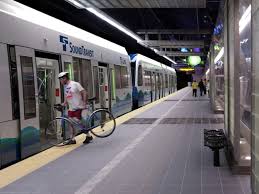
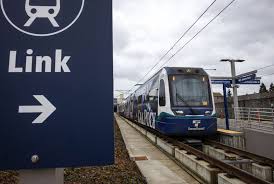
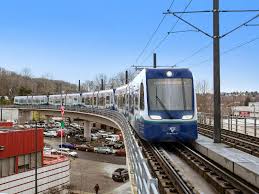
The light rail Federal Way expansion is a major project aimed at bringing Sound Transit’s Link light rail service further south into Federal Way. The primary goal is to connect more communities to the growing light rail network, making transit more accessible and convenient for thousands of people. This expansion is part of a larger vision to create a robust public transportation system across the Puget Sound region.
It is designed to reduce traffic congestion on major roadways like I-5 and State Route 99. By offering a reliable and efficient alternative to driving, the expansion hopes to encourage more people to use public transit for their daily commutes. This, in turn, can lead to lower carbon emissions and a healthier environment for everyone.
Project Goals and Vision
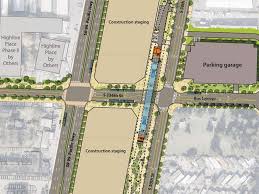
The main aim is to extend the Link light rail system from its current terminus at Angle Lake to a new station in Federal Way. This new station will serve as a key transit hub, offering connections to local bus services and other transportation options. The project seeks to improve mobility, provide economic opportunities, and support sustainable growth in the Federal Way area.
This expansion is envisioned as a vital link in the regional transportation corridor. It’s about making it easier for residents to get to jobs, education, and recreational activities without relying on a car. The vision includes creating vibrant transit-oriented development around the new station, fostering community engagement, and enhancing the quality of life for residents.
Key Benefits for the Community
One of the biggest advantages is improved access to jobs and services in Seattle and other parts of King County. People who live in Federal Way will have a quicker and more predictable way to travel north for work or appointments. This can save them time and money compared to driving in heavy traffic.
The expansion also aims to boost local businesses by bringing more people to the area. New transit hubs often attract new development, creating more retail and service opportunities. Furthermore, a more accessible public transit system can make the city a more attractive place for businesses to locate and for people to live.
Light Rail Federal Way Expansion Phases
The light rail Federal Way expansion is a multi-phase endeavor, reflecting the scale and complexity of building new transit infrastructure. Each phase involves distinct planning, design, and construction activities, moving the project closer to completion. Understanding these phases helps clarify the progress and what to expect as the project moves forward.
The project has progressed through several key stages, from initial planning and environmental review to detailed design and now construction. This structured approach ensures that all aspects of the project are carefully considered, from engineering challenges to community impact.
Planning and Environmental Review
The earliest stage involved extensive planning and environmental studies. This phase was critical for determining the best route for the light rail extension and assessing its potential environmental impacts. Public input was a vital part of this process, helping to shape the project’s direction.
During this time, various alternatives were studied. These included different alignment options and station locations. The goal was to find solutions that met the transportation needs of the region while minimizing negative environmental effects.
This stage set the foundation for all subsequent work.
Design and Engineering
Once the preferred alignment and station concepts were identified, the project moved into the design and engineering phase. This is where the detailed blueprints are created. Engineers and architects work together to plan the specifics of the tracks, stations, guideways, and any associated infrastructure.
This phase involves highly technical work. It includes developing structural designs for bridges and tunnels, planning for utility relocation, and ensuring the system meets all safety and operational standards. The designs must also consider how the new stations will integrate with the existing urban landscape.
Construction and Implementation
Construction is the most visible phase of the expansion. This is when the actual building of the light rail line and stations takes place. It’s a lengthy and involved process that requires careful coordination of many different activities and contractors.
This phase includes everything from site preparation and excavation to laying tracks and building station structures. It also involves installing power systems, signaling, and other necessary equipment. Managing construction in an urban area presents unique challenges, such as minimizing disruption to traffic and nearby residents.
Impacts and Benefits of the Expansion
The light rail Federal Way expansion is set to bring significant changes and advantages to the Federal Way community and the broader South King County region. These impacts span across transportation, the economy, and the environment, offering a glimpse into a more connected future. The project is more than just building new tracks; it’s about fostering growth and improving daily life.
By providing a reliable transit option, the expansion aims to reduce reliance on single-occupancy vehicles. This can lead to less traffic congestion, shorter travel times, and a reduction in air pollution. The new stations are also expected to spur economic development and create new opportunities for residents and businesses alike.
Economic Development Opportunities
New light rail stations often act as catalysts for economic growth. They can attract businesses looking for areas with good transit access and a growing workforce. This can lead to new job creation and increased investment in the Federal Way area.
Transit-oriented development is a key concept here. This means encouraging the growth of housing, retail, and office spaces around the new stations. This creates vibrant hubs where people can live, work, and play without needing to drive everywhere.
It also makes the area more attractive for commercial ventures.
Environmental Considerations
Public transit, like light rail, is generally more environmentally friendly than individual car use. By encouraging more people to leave their cars at home, the expansion will contribute to reducing greenhouse gas emissions and improving air quality in the region. This aligns with broader goals for sustainability and climate action.
The project also involves careful management of construction impacts to minimize environmental disturbance. This includes measures to protect water quality, manage noise, and control dust. Long-term, the shift to public transit supports a lower carbon footprint for the region.
Improved Mobility and Accessibility
For many residents, the expansion means a significant improvement in their ability to travel around the region. Those without personal vehicles will have a new, reliable option for getting to work, school, or appointments. This enhances social equity and provides greater freedom of movement.
The light rail is designed to be accessible to everyone, including people with disabilities. Stations will feature elevators, ramps, and clear signage. This commitment to universal design ensures that the new transit system can be used by the widest possible range of people.
Common Myths Debunked
Myth 1: The Light Rail Will Be Too Expensive for Regular Commuters
While there is a cost associated with public transit, the Link light rail is designed to be an affordable option for regular commuters. Fares are structured to be competitive with the cost of driving, especially when factoring in gas, parking, and vehicle maintenance. Sound Transit offers various fare options, including ORCA cards, which can provide discounted rates for frequent riders.
The goal is to make transit accessible and a cost-effective choice for a broad segment of the population.
Myth 2: Construction Will Cause Endless Traffic Chaos
Construction on large infrastructure projects like the light rail Federal Way expansion will naturally cause some disruptions. However, transit agencies work hard to minimize these impacts. They often use strategies like nighttime construction, detours, and enhanced traffic management to keep traffic flowing as smoothly as possible.
While temporary inconvenience is expected, the long-term benefits of reduced congestion once the line is operational far outweigh these short-term challenges.
Myth 3: The New Stations Will Be Too Far From My Home
The planning for new transit stations takes into account accessibility and community needs. While the station might not be directly in front of every home, efforts are made to ensure they are located in areas that serve a significant number of residents and businesses. Furthermore, these new stations will be integrated with local bus routes, creating a connected network that brings transit closer to more people through feeder services.
Myth 4: Light Rail Isn’t Fast Enough for Daily Commutes
Link light rail is designed for efficient travel, especially in congested urban corridors. While it may not match the speed of a car on an open highway, it offers a predictable travel time, unaffected by traffic jams. This predictability is a major advantage for commuters who need to arrive on time for work or appointments.
The dedicated guideways and signal priority systems ensure that the light rail operates on schedule, providing a reliable alternative to the uncertainties of road travel.
Frequently Asked Questions
Question: When will the Federal Way light rail expansion be completed
Answer: The Federal Way Link Extension is anticipated to open for service in 2024.
Question: How many new stations will be added
Answer: The Federal Way Link Extension will add one new station in Federal Way.
Question: What is the approximate travel time from Federal Way to downtown Seattle by light rail
Answer: Travel time is projected to be around 40-45 minutes from the Federal Way station to downtown Seattle.
Question: Will there be park and ride facilities at the new station
Answer: Yes, the Federal Way station is planned to include park and ride facilities to accommodate commuters driving to the station.
Question: How will the expansion affect property values
Answer: Generally, areas with improved public transit access see an increase in property values due to enhanced accessibility and desirability.
Conclusion
The light rail Federal Way expansion brings essential transit links to more people. This project connects communities and boosts local economies. It offers a reliable, sustainable way to travel across the region.
Get ready for easier commutes and a more accessible Federal Way soon.