Getting around using the light rail federal way to seattle route can seem tricky at first, especially if you are new to the area or public transit. Lots of people wonder about the best way to use it. This guide makes it super simple.
We will walk through everything step-by-step so you feel confident. Get ready to see how easy it is to travel between Federal Way and Seattle by light rail.
Key Takeaways
- You will learn the basic route for the light rail connecting Federal Way and Seattle.
- Understand the different ways to pay for your trip and what passes are available.
- Discover tips for making your ride smooth and efficient.
- Find out about station amenities and what to expect at each stop.
- Learn how to plan your trip using online tools and apps.
Understanding The Federal Way To Seattle Light Rail Route
The light rail system is a growing part of public transportation in the Puget Sound area. For many residents and visitors, the connection between Federal Way and Seattle is a hot topic. This section helps you grasp the main path this vital transit line takes.
The Corridor Explained
The light rail line linking Federal Way and Seattle is designed to connect key communities and reduce traffic congestion. It serves as a modern and efficient way for people to travel between these two important hubs. The route is carefully planned to offer convenient access to major destinations along the way.
Understanding this corridor is the first step to using the service effectively. It’s like looking at a map to see the main roads before you drive.
Key Stations Along The Way
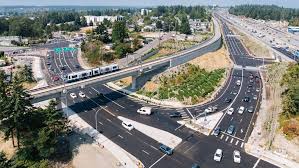
As the light rail federal way to seattle route develops, new stations become important landmarks. Each station is a gateway to different neighborhoods and attractions. Knowing these key stops helps you plan your departure and arrival points.
It also gives you an idea of the travel time between different locations. For example, knowing where the main stations are helps you decide which one is closest to your starting point or your final destination.
- Federal Way Station This is your starting point if you’re coming from Federal Way. It’s a central hub for local buses and provides easy access to the light rail.
- Interim Stations There will be stations between Federal Way and the existing system. These are being built to expand reach and convenience.
- Connecting Stations Stations that link to other transit lines are very important. They allow for seamless transfers to buses or other rail services.
- Seattle Destinations Key stations within Seattle will bring you close to downtown attractions, business districts, and residential areas.
How The System Connects Communities
Light rail is more than just a train; it’s a tool for community connection. The light rail federal way to seattle line aims to bring people closer to jobs, education, and recreation. It offers an alternative to driving, which can save time and reduce stress.
This connectivity also supports economic development by making it easier for people to reach businesses and for businesses to attract employees and customers.
Planning Your Trip
Getting ready for your light rail ride is simple. A little bit of planning ensures a smooth and stress-free experience. This part covers how to figure out your route, how much time you need, and how to pay your fare.
Using Trip Planners
Modern technology makes planning a breeze. Websites and apps are available to help you find the best way to get from Federal Way to Seattle by light rail. You just enter where you are starting and where you want to go.
The planner will show you the fastest route, transfer points, and arrival times. This is super helpful for beginners and experienced riders alike.
- Online Maps Many transit agencies offer interactive maps online. These maps show all the light rail lines and stations. You can zoom in and out to see your specific area.
- Mobile Apps Dedicated transit apps for your phone are very popular. They often provide real-time train information, so you know exactly when your train will arrive.
- Station Information Look for station maps at the stations themselves. These maps show you the layout of the station and nearby points of interest.
Understanding Schedules And Frequencies
Knowing when the train runs is key. Light rail trains typically run frequently, especially during peak hours. This means you usually don’t have to wait too long for a train.
However, schedules can change on weekends or holidays. Always check the current schedule before you travel. This helps you avoid any surprises and ensures you get to your destination on time.
Estimating Travel Time
Travel time can vary depending on the exact start and end stations. The light rail federal way to seattle route is designed to be efficient. Expect the journey to take a significant amount of time, similar to driving during moderate traffic.
It’s a good idea to add a little extra time to your estimate, just in case. This buffer helps account for any unexpected delays and reduces stress.
Fares And Payment Options
Paying for your light rail ride is designed to be easy and flexible. There are several ways to pay, so you can choose what works best for you. This section explains the fare system and how to manage your payments.
How Fares Are Calculated
Light rail fares are often distance-based or zone-based. This means the farther you travel, the more the fare might be. However, for many common trips, especially within shorter zones, fares are kept affordable.
Transit agencies work hard to make public transport a cost-effective option compared to owning and operating a car. Check the official transit website for the most current fare chart.
Payment Methods
You have a few choices for paying your fare. The most common method is using a fare card. You can load money onto these cards and tap them to pay when you board.
Cash is sometimes accepted, but using a card or app is usually faster. Some systems also offer mobile payment options through smartphone apps.
- ORCA Card This is a popular smart card used across many transit systems in the region. You can buy an ORCA card and load value onto it at ticket machines or online.
- Ticket Machines At most stations, you’ll find ticket vending machines. These machines allow you to purchase single ride tickets or load value onto an ORCA card.
- Mobile Apps Some transit authorities offer mobile ticketing through their apps. This allows you to buy and store tickets on your phone.
Understanding Passes And Discounts
If you plan to ride the light rail frequently, consider getting a pass. Monthly or weekly passes can save you money compared to paying for each ride individually. There are often discounts available for seniors, students, and people with disabilities.
Make sure to check if you qualify for any of these special fares before you purchase your ticket.
Riding The Light Rail
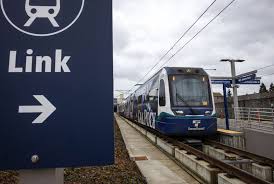
Once you’re ready, hopping on the light rail is straightforward. This section gives you tips on boarding, etiquette, and what to expect during your ride on the light rail federal way to seattle line.
Boarding And Alighting
When the train arrives, let passengers exit before you attempt to board. Trains usually have multiple doors, so you can board at any open door. Once on board, look for a seat if available.
If the train is crowded, stand safely and hold onto a pole or strap. When your stop is approaching, listen for announcements and signal your intention to exit if necessary.
Onboard Etiquette
Keeping the ride pleasant for everyone is easy if we all follow a few simple rules. Keep your conversations at a reasonable volume. Avoid playing loud music or videos without headphones.
Offer your seat to elderly passengers, pregnant individuals, or those with disabilities. Keeping your belongings out of the aisle also helps ensure a smooth ride for all.
- Noise Levels Be mindful of how loud you are talking or listening to media.
- Personal Space Try to respect the personal space of other passengers.
- Food and Drink While some transit allows it, it’s often best to avoid strong-smelling foods or drinks that could spill.
- Cleanliness Help keep the trains clean by properly disposing of any trash.
What To Expect During The Ride
Riding the light rail offers a chance to relax or catch up on things. You’ll see the changing scenery as you move from Federal Way towards Seattle. The ride is generally smooth and quiet.
Many trains offer Wi-Fi, so you can stay connected. This is a great opportunity to read, work, or simply enjoy the views without the stress of driving in traffic.
Real-Life Example: Commuting From Federal Way
Imagine Sarah, who lives in Federal Way and works downtown Seattle. Before, her commute involved a long drive and expensive parking. Now, she takes the light rail.
She drives to the Federal Way station, parks her car, and boards the train. The ride is comfortable, and she uses the time to read or answer emails. She arrives at a downtown Seattle station feeling refreshed and ready for her workday, avoiding the typical traffic jams.
This is a common story for many using the light rail federal way to seattle connection.
Federal Way To Seattle Light Rail Stations
The stations along the light rail federal way to seattle line are more than just stops; they are hubs of activity and gateways to exploration. Each station offers unique features and access to different parts of the region.
Federal Way Station Details
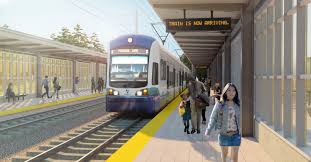
The Federal Way station is a modern facility designed for convenience. It typically includes ample parking for those who drive to the station. There are also facilities for bus connections, making it easy to combine different modes of transit.
Information boards and customer service points are usually available to assist riders. The station environment is intended to be safe and welcoming for all passengers.
- Parking Facilities Ample parking is usually available, often with options for daily or monthly permits.
- Bus Connections This station serves as a key transfer point for local bus routes throughout Federal Way.
- Accessibility Features Stations are designed with accessibility in mind, including ramps, elevators, and tactile paving.
- Passenger Amenities Expect amenities like restrooms, seating areas, and perhaps small retail kiosks.
Intermediate Stations And Their Significance
As the line extends, new stations will open between Federal Way and the current network. These intermediate stations are vital for serving local communities and providing access to areas previously underserved by light rail. They are often located near residential neighborhoods, commercial centers, or parks.
Each new station signifies an expansion of the transit network and its ability to connect more people.
Consider a scenario where a new station opens near a large residential development. This instantly provides hundreds of residents with a direct link to jobs and services in Seattle without needing a car. It can also spur local economic activity as people have easier access to amenities near the station.
Downtown Seattle Stations
Once the light rail reaches Seattle, it stops at several key downtown locations. These stations are strategically placed to serve major business districts, entertainment venues, and transit centers. From these stations, you can easily access museums, sports arenas, shopping areas, and government buildings.
They are designed to be busy, efficient points of arrival and departure.
- Access to Business Districts Many stations are located within walking distance of major office buildings and financial centers.
- Proximity to Attractions You’ll find stations near popular tourist spots, theaters, and restaurants.
- Intermodal Connections These stations often connect with other transit services like buses and commuter trains.
- Safe and Well-Lit Environments Downtown stations are typically well-maintained and have security presence for passenger safety.
Future Expansion Plans
The vision for light rail in the region is extensive. Future plans aim to further extend the reach of the light rail federal way to seattle corridor and connect even more communities. These expansions are part of a long-term strategy to improve mobility, reduce congestion, and support sustainable growth.
Keeping an eye on these future developments can help you anticipate new travel options.
Benefits Of Using Light Rail
Choosing the light rail for your travels between Federal Way and Seattle offers numerous advantages. It’s not just about getting from point A to point B; it’s about the experience and the impact it has.
Environmental Advantages
One of the biggest benefits of light rail is its positive impact on the environment. Light rail systems produce significantly fewer greenhouse gas emissions per passenger mile compared to cars. By choosing to ride the train, you are actively contributing to cleaner air and a healthier planet.
This aligns with growing efforts to reduce our carbon footprint and promote sustainable living.
- Reduced Air Pollution Electric trains do not emit pollutants directly into the air, unlike gasoline-powered vehicles.
- Lower Carbon Footprint Shifting from single-occupancy vehicles to mass transit drastically cuts down on carbon emissions.
- Less Traffic Congestion More people on trains means fewer cars on the road, leading to less idling and associated pollution.
Cost Savings
Using the light rail can lead to substantial cost savings compared to owning and operating a personal vehicle. Think about the expenses of car payments, insurance, fuel, maintenance, and parking fees. When you add it all up, public transit often comes out as a much more economical choice.
The fare for a light rail trip is typically far less than the cost of driving and parking, especially in urban centers.
For instance, a monthly transit pass for the light rail federal way to seattle route could cost around $100-$150. In contrast, just the cost of gasoline for a daily commute in a moderately fuel-efficient car could easily exceed $200 per month, not to mention insurance, maintenance, and parking which can add hundreds more. This makes light rail a clear winner for budget-conscious commuters.
Reduced Stress And Increased Productivity
Driving in heavy traffic can be a major source of stress and frustration. Light rail offers a way to avoid this. You can sit back, relax, and let someone else do the driving.
This allows you to use your travel time more productively. Many people use their commute to read, catch up on work, listen to podcasts, or simply enjoy a moment of peace before or after a busy day.
A survey found that commuters who use public transit report lower stress levels than those who drive. This is because they are not stuck in traffic jams, dealing with aggressive drivers, or worrying about finding parking. This reduction in stress can have positive effects on overall well-being and mental health.
Accessibility And Inclusivity
Light rail systems are designed to be accessible to everyone. Stations and trains are equipped with features for people with disabilities, seniors, and parents with strollers. This inclusivity ensures that public transportation is a viable option for a wide range of individuals, promoting equal access to jobs, education, and social opportunities across the Federal Way to Seattle corridor.
Common Myths Debunked
Myth 1: Light rail is always slow
Reality: While light rail may not always be the fastest option for very short distances, it is often competitive or faster than driving, especially during peak traffic hours. Dedicated tracks and signal priority mean trains can bypass traffic jams that plague drivers. For the light rail federal way to seattle route, the system is designed to offer a reliable and often time-saving alternative to congested highways.
Myth 2: Light rail is too expensive for regular use
Reality: When considering all the costs associated with car ownership (gas, insurance, maintenance, parking, car payments), light rail is often significantly cheaper. Transit agencies offer various fare options, including monthly passes and discounts, making it an economically sound choice for frequent travelers. The cost per trip on light rail is usually much lower than the combined cost of fuel and parking for a single car trip.
Myth 3: Light rail is inconvenient because I have to walk to the station
Reality: While stations might not be right at your doorstep, modern light rail systems integrate with other transit options. Many stations offer park-and-ride facilities, bicycle racks, and connections to local bus routes. This multimodal approach makes it convenient to reach the station from various starting points, ensuring accessibility for a wider range of passengers.
The goal is to make the entire journey seamless.
Myth 4: Light rail is only for people who can’t afford a car
Reality: Light rail is a choice for many commuters who prioritize efficiency, environmental sustainability, and reduced stress. Professionals, students, and tourists alike choose light rail for its convenience and cost-effectiveness. It’s a modern transportation solution that appeals to a broad demographic seeking alternatives to traditional driving.
The light rail federal way to seattle line serves a diverse population.
Frequently Asked Questions
Question: How long does it take to get from Federal Way to Seattle by light rail?
Answer: The exact travel time will depend on the specific stations used and any intermediate stops. However, estimates suggest the journey could range from 45 minutes to over an hour. It’s always best to check a real-time trip planner for the most accurate estimate for your travel date and time.
Question: Can I bring my bike on the light rail?
Answer: Yes, most light rail systems allow passengers to bring their bicycles. There are typically designated areas on the train for bikes. It’s a good idea to check the specific transit agency’s rules regarding bike transport, especially during peak hours.
Question: Are there restrooms at the light rail stations?
Answer: Restroom availability varies by station. Major hubs and newer stations are more likely to have public restrooms. Smaller or interim stations might not have them, so it’s wise to use facilities before you depart if you anticipate a long wait.
Question: Is the light rail accessible for people with disabilities?
Answer: Absolutely. Light rail systems are designed to be fully accessible. Stations feature elevators, ramps, and audible announcements.
Trains are equipped with securement areas for wheelchairs and priority seating for those who need it.
Question: How often do trains run on the Federal Way to Seattle line?
Answer: During peak commute hours, trains usually run frequently, often every 10-15 minutes. Off-peak hours and weekends may have slightly longer wait times, typically between 15-30 minutes. Always consult the official schedule for precise timings.
Summary
Using the light rail federal way to seattle route is an accessible and efficient way to travel. You have learned about the stations, how to plan your trip, pay your fare, and what to expect. Embrace this convenient option for a smoother commute.