Figuring out the federal way light rail extension can feel a bit tricky at first. There are a lot of details, and sometimes it seems like everyone knows more than you do. But don’t worry!
This guide is here to make it super easy. We’ll break it down step-by-step so you can get a clear picture of what’s happening. Get ready to learn all about it without any confusion.
Key Takeaways
- The federal way light rail extension is a major transportation project.
- It aims to connect more communities to the existing light rail system.
- The project involves new stations and track construction.
- It promises faster and more convenient travel options.
- Understanding the extension helps in planning commutes and appreciating regional growth.
Understanding the Federal Way Light Rail Extension
The federal way light rail extension represents a significant step forward in expanding public transit access in the Puget Sound region. It’s designed to bring light rail service further south, offering a vital link for residents and businesses. This project is not just about adding tracks; it’s about creating opportunities for easier commutes, reducing traffic congestion, and fostering economic development.
For many, it means a quicker way to get to work, school, or just explore more of the area without needing a car. It’s a big deal for how people will move around in the coming years.
What Is The Federal Way Light Rail Extension
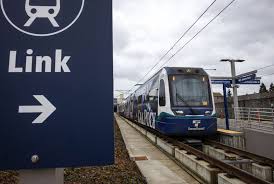
At its core, the federal way light rail extension is an initiative to extend the Link light rail system south from its current terminus. The goal is to reach the city of Federal Way. This means building new tracks, new stations, and integrating this new southern segment into the larger light rail network.
It’s part of a broader plan to create a comprehensive transit system that connects communities across King and Pierce counties. Think of it as adding more branches to a tree, allowing more people to reach the main trunk of public transportation.
The extension is being developed by Sound Transit, the regional public transit authority responsible for planning and building light rail, commuter rail, and bus rapid transit in the area. They are managing the complex process of design, engineering, land acquisition, and construction. This involves coordinating with multiple cities, utility companies, and stakeholders to ensure the project moves forward smoothly and efficiently.
The aim is to create a reliable and accessible transit option for a growing population.
Why Is This Extension Important
The importance of the federal way light rail extension cannot be overstated. For decades, residents south of Seattle have had limited direct access to light rail, often relying on buses or driving to connect to the system. This extension bridges that gap.
It will make travel to downtown Seattle, SeaTac Airport, and other key destinations much more convenient and time-efficient for thousands of people. This can lead to less time stuck in traffic and more time for other activities.
Beyond individual commuters, the extension is expected to spur economic growth. New stations often become centers for development, attracting businesses, housing, and retail. This can revitalize areas and create new jobs.
Furthermore, by providing a strong public transit alternative, the project aims to reduce the number of cars on the road. This contributes to lower carbon emissions and cleaner air, aligning with environmental goals. It’s a project that benefits individuals, communities, and the environment.
Key Features Of The Extension
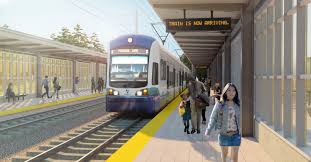
The federal way light rail extension will feature several key components designed for passenger convenience and efficient operation. The most significant additions are the new stations that will serve riders. These stations are planned to be strategically located to maximize accessibility and ridership.
They will offer modern amenities such as sheltered waiting areas, real-time arrival information displays, and secure bicycle parking. The design also emphasizes accessibility for people with disabilities, ensuring everyone can use the system easily.
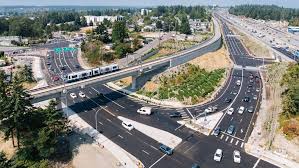
The extension will include new trackways that are either elevated, at ground level, or in tunnels, depending on the specific terrain and urban environment. These trackways are built to handle the speed and capacity of modern light rail vehicles. Power systems will be upgraded or extended to support the additional mileage.
Maintenance facilities will also be expanded or new ones built to service the increased fleet of trains. All these elements work together to create a seamless and reliable extension to the existing light rail network.
Planning And Construction Phases
The development of a project as large as the federal way light rail extension is a multi-year endeavor. It typically involves several distinct phases, from initial planning and environmental review to detailed design, construction, and finally, operational testing. Each phase presents its own set of challenges and requires careful management and public engagement.
Understanding these phases helps to appreciate the scope of work involved and the long-term commitment required to bring such a vital piece of infrastructure to life.
Early Planning And Environmental Review
The journey for the federal way light rail extension began with extensive planning and environmental review. This is a critical first step that involves identifying potential routes, station locations, and assessing the project’s potential impacts on the environment and surrounding communities. Environmental impact statements are prepared to analyze effects on air quality, water resources, wildlife, noise levels, and historical sites.
This process is designed to be transparent, with opportunities for public input to help shape the project’s direction.
During this phase, various alternatives are considered, and the best option is selected based on a balance of engineering feasibility, cost-effectiveness, community needs, and environmental protection. Regulatory approvals from local, state, and federal agencies are sought. This stage is foundational, ensuring that the project is planned responsibly and sustainably, laying the groundwork for successful construction.
It’s a thorough examination to make sure the project benefits the region without causing undue harm.
Public Engagement
Public engagement is a constant thread throughout the planning and construction of any major transit project, including the federal way light rail extension. Sound Transit actively seeks feedback from residents, businesses, and community groups at every stage. This can include public meetings, workshops, online surveys, and informational sessions.
The feedback gathered helps inform decisions about station design, service patterns, and mitigation measures for any potential disruptions. It ensures that the project aligns with the needs and priorities of the people it will serve. This collaborative approach builds trust and a shared sense of ownership in the project.
It allows concerns to be addressed proactively and helps to foster support for the extension.
Design And Engineering
Once the general concept and preferred alignment are established, the project moves into the detailed design and engineering phase. This is where the technical blueprints are created. Engineers and architects develop precise plans for the tracks, bridges, tunnels (if any), stations, power systems, and other infrastructure.
This phase involves complex calculations, simulations, and adherence to strict building codes and safety standards. It also includes developing detailed construction plans, traffic management strategies for construction periods, and utility relocation plans. The goal is to create a complete set of documents that contractors can use to build the extension accurately and safely.
This ensures that all components fit together perfectly and function as intended for decades to come.
Construction And Implementation
Construction is often the most visible phase of the federal way light rail extension. This is when the physical work of building the new infrastructure takes place. It involves site preparation, grading, laying track, building elevated guideways or tunnels, and constructing the stations.
This phase can be lengthy and may involve temporary disruptions to traffic and local access, which are carefully managed to minimize inconvenience.
Contractors are hired through competitive bidding processes to carry out the construction work. Throughout this phase, rigorous quality control and oversight are maintained to ensure that the work meets all design specifications and safety standards. This stage requires significant coordination between various construction crews, engineers, and project managers.
The completion of this phase marks the tangible realization of the project, bringing the extension closer to being operational for the public.
Testing And Launch
Before the federal way light rail extension can open to the public, a comprehensive testing period is conducted. This involves running trains along the new tracks to ensure that all systems are functioning correctly. Engineers and technicians test the trains’ performance, signaling systems, power supply, and safety features.
This testing phase is crucial for identifying and resolving any last-minute issues. It also includes training new staff who will operate and maintain the extension. Once all systems are proven to be reliable and safe, the extension is officially opened for passenger service.
This is the culmination of years of planning and hard work, finally delivering the new transit option to the community.
Impact And Benefits Of The Extension
The successful completion and operation of the federal way light rail extension will bring about significant positive changes for the region. These benefits extend beyond just providing a new way to travel. They touch upon economic development, environmental sustainability, and the overall quality of life for residents.
Understanding these impacts helps to appreciate the long-term value of this public transit investment.
Economic Development Opportunities
New light rail stations act as catalysts for economic development. The federal way light rail extension is expected to create vibrant hubs around its new stations. These areas often see an increase in property values, attracting new businesses and residential developments.
This can lead to job creation and a stronger local tax base.
Businesses located near stations benefit from increased accessibility for employees and customers. The ease of transit can make the area more attractive for investment. For commuters, the extension means reduced transportation costs, as they may no longer need to own or maintain a car, or can save on gas and parking fees.
This disposable income can then be spent locally, further boosting the economy.
Reduced Traffic Congestion And Travel Times
One of the primary goals of any light rail extension is to alleviate traffic congestion. By offering a reliable and convenient alternative to driving, the federal way light rail extension encourages people to leave their cars at home. This means fewer vehicles on the road, particularly during peak commute hours.
As a result, travel times for everyone, including those who continue to drive, can improve. For light rail riders, the benefit is even greater. They can bypass traffic jams entirely and enjoy predictable, faster journeys to their destinations.
The extension connects Federal Way directly to major employment centers and activity hubs, making daily commutes significantly more efficient.
Environmental Advantages
Public transportation, especially electric-powered light rail, is an environmentally friendly choice. The federal way light rail extension contributes to reducing greenhouse gas emissions by providing a cleaner mode of transport. Fewer cars on the road directly translate to less air pollution.
Light rail systems are also generally more energy-efficient per passenger mile than single-occupancy vehicle trips. This means that for every person transported, less energy is consumed and fewer pollutants are released. Over time, this can have a substantial positive impact on air quality and help the region meet its climate goals.
The shift towards sustainable transportation is a key benefit.
Improved Accessibility And Equity
The federal way light rail extension significantly improves accessibility for a large segment of the population. It provides a vital link for communities that may have been underserved by transit in the past. This includes individuals who cannot drive due to age, disability, or financial reasons.
By connecting Federal Way to the broader transit network, the extension promotes social equity. It ensures that more people have affordable and reliable access to jobs, education, healthcare, and recreational opportunities. This enhances the quality of life and fosters a more inclusive community where everyone has the chance to participate fully.
Challenges And Solutions
Building a major infrastructure project like the federal way light rail extension is never without its hurdles. From securing funding to managing construction impacts, numerous challenges arise. However, effective planning and innovative solutions are employed to overcome these obstacles and ensure the project’s success.
Funding And Financing
Large-scale transit projects require substantial financial investment. The federal way light rail extension is funded through a combination of sources, including regional taxes, federal grants, and local contributions. Securing and managing this funding is a complex process.
Sound Transit works to secure funding through various mechanisms, such as voter-approved tax measures and competitive grant applications at the federal level. Effective financial management and transparent budgeting are crucial to ensure the project stays on track and within its allocated budget.
Construction Impacts
Construction can cause temporary disruptions, such as noise, dust, and traffic detours. Managing these impacts is a key priority.
Project teams implement strategies to minimize disruption, including working during specific hours, providing alternative routes, and communicating updates regularly to affected residents and businesses. Mitigation measures are put in place to address concerns about noise and dust.
Land Acquisition And Permitting
Building new transit lines often requires acquiring land for tracks, stations, and maintenance facilities. This process can be lengthy and involve negotiations with property owners.
A dedicated team handles land acquisition and works to ensure fair compensation. Obtaining the necessary permits from various government agencies can also be a complex and time-consuming process. Early and continuous engagement with regulatory bodies helps to streamline these approvals.
Common Myths Debunked
Myth 1: The extension will be too expensive for taxpayers.
While large infrastructure projects do require significant investment, the costs of the federal way light rail extension are spread over many years and funded through a mix of sources. These include dedicated regional taxes approved by voters, state funds, and federal grants. The long-term economic benefits, such as job creation, increased property values, and reduced congestion costs, often outweigh the initial investment.
Furthermore, not investing in transit can lead to higher costs down the line due to increased road maintenance and the economic drag of traffic.
Myth 2: Light rail is inconvenient and slow.
Modern light rail systems are designed for efficiency and speed, especially in urban corridors. The federal way light rail extension aims to provide faster travel times than driving during peak hours, as it operates on dedicated tracks, avoiding traffic signals and congestion. Stations are strategically placed for easy access, and trains run on frequent schedules, reducing wait times.
The extension connects directly to key destinations, minimizing transfers and travel time.
Myth 3: The extension will only benefit a few people.
The federal way light rail extension is designed to serve a broad population. It provides a vital transportation link for residents of Federal Way and surrounding communities, connecting them to jobs, education, healthcare, and other essential services. It also benefits the entire region by reducing overall traffic congestion, improving air quality, and stimulating economic growth.
Improved transit options enhance mobility and opportunity for a diverse range of people, including those who may not own a car.
Frequently Asked Questions
Question: When will the federal way light rail extension be open for service?
Answer: The expected opening date for the federal way light rail extension is 2025. This timeline is subject to construction progress and final testing.
Question: How many new stations will there be?
Answer: The federal way light rail extension will add three new stations to the Link system: one in Kent, one in Federal Way near the transit center, and one in Tacoma.
Question: Will the extension be accessible for people with disabilities?
Answer: Yes, all new stations and trains are designed to be fully accessible, meeting or exceeding ADA requirements. This includes features like elevators, ramps, and audio visual announcements.
Question: What is the estimated travel time from Federal Way to downtown Seattle by light rail?
Answer: The estimated travel time from Federal Way to downtown Seattle by light rail is approximately 45 minutes. This can vary depending on specific station stops and service frequency.
Question: How is the federal way light rail extension project funded?
Answer: The project is funded through a combination of regional taxes approved by voters, federal grants, and other sources. Sound Transit manages the financial aspects to ensure project completion.
Final Thoughts
The federal way light rail extension brings significant improvements to regional transit. It connects communities, boosts the economy, and offers a greener way to travel. This project makes it easier for everyone to get where they need to go.
Now you know what it’s all about, from planning to opening day.