Sometimes finding information about the federal way light rail map can feel a little tricky, especially if you are new to it. There are many different stops and lines, and it can be hard to know where to start. But don’t worry, we are here to make it super simple for you.
We will walk through everything you need to know step by step. Get ready to see how easy it is to find your way with the federal way light rail map.
Key Takeaways
- You will learn the best ways to view and understand the federal way light rail map.
- We will cover different tools and resources to help you plan your trip.
- You will discover tips for using the map to find stations and routes easily.
- We will explain common symbols and features you will see on the map.
- You will gain confidence in using the federal way light rail map for your travels.
Understanding the Federal Way Light Rail Map
The federal way light rail map is your essential guide to traveling around the region using the Sound Transit Link light rail system. It shows all the stations, the different lines, and how they connect. For newcomers, the map might seem like a lot of lines and dots, but once you know what each part means, it becomes very clear.
This section helps you get familiar with what you are looking at. We will break down the basic elements of the map so you can start planning your trips with ease.
What is Light Rail
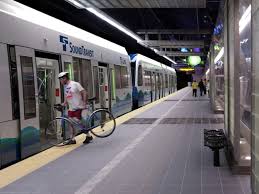
Light rail is a type of urban railway transit that uses trains running on tracks. These trains are typically lighter and more flexible than heavy rail systems like subways or commuter trains. They often run at street level, sometimes on their own tracks, and can also travel underground or on elevated tracks.
Light rail is designed to serve areas within a city or metropolitan region, offering a convenient and environmentally friendly way to get around. It’s a great option for reducing traffic congestion and air pollution.
Think of light rail as a modern streetcar but often with longer trains and dedicated pathways to make it faster. It connects important destinations like downtown areas, residential neighborhoods, shopping centers, and major activity hubs. The system is powered by electricity, which means it produces no tailpipe emissions, making it a green choice for transportation.
The federal way light rail map will show you the path these electric trains take.
Reading the Map Symbols
Every map uses symbols to represent different things, and the federal way light rail map is no different. You’ll see icons for stations, transfer points, and sometimes even major landmarks. Most maps will use a circle or a square to mark a light rail station.
Sometimes, a station might have a different symbol if it’s also a bus stop or a park-and-ride facility. Pay attention to the map’s legend, which is usually found in a corner, as it explains what each symbol means. This is your key to unlocking the information on the map.
You will also notice different colored lines representing different light rail routes. For the federal way area, you will likely see a specific line connecting to downtown Seattle and other key destinations. The lines show the direction of travel.
Arrows on the lines indicate which way the train is going. Understanding these basic symbols is the first big step to using the map confidently.
Color Coding and Line Identification
Color plays a vital role in making the federal way light rail map easy to understand. Each major line or route is usually assigned a distinct color. This helps you quickly distinguish between different services, especially in areas where multiple lines might share tracks or stations.
For instance, a specific color might represent the line going north towards Seattle, while another color could indicate a line heading south. This visual cue is incredibly helpful when you are trying to figure out which train to catch.
When you look at the federal way light rail map, you will see these colors clearly marked along the routes. If you are planning a trip, you will look for the color of the line that goes to your destination. The map’s legend will tell you which color corresponds to which route name or direction.
This simple system makes it much easier to trace your journey from your starting point to your final stop. It helps avoid confusion and ensures you are on the right track.
Navigating the Federal Way Light Rail System
Once you know how to read the basic elements of the federal way light rail map, it’s time to learn how to use it to plan your actual trips. This involves finding your nearest station, determining the correct route, and knowing where to transfer if needed. The system is designed to be user-friendly, and the map is your primary tool for a smooth travel experience.
We will guide you through the practical steps of using the map to get where you need to go.
Finding Your Nearest Station
The first step in using the federal way light rail map is locating the station closest to you. Most maps will show stations as distinct points along the lines. Some stations might be more prominent than others, perhaps indicating a major hub or a transfer point.
You can often find station names printed next to the symbols on the map. If you know the general area you are starting from, look for the station name that is geographically nearest to your location.
It’s also helpful to check if the station has amenities like parking. The federal way light rail map might indicate this with a specific icon, often a “P” inside a circle. This is great if you plan to drive to the station.
Some stations also have connections to bus routes, which can be crucial for getting to the light rail from further away. Always refer to the map’s legend for the meaning of these extra symbols. Knowing your closest station is the foundation of your journey planning.
Planning Your Route
Once you have identified your starting station, you need to figure out the best route to your destination. Look at the federal way light rail map and find your destination station. Then, trace the colored line connecting your starting station to your destination.
If the lines are different colors, you might need to switch trains at a transfer station. The map will clearly show where these lines intersect.
Pay close attention to the direction of travel indicated by arrows on the lines. You want to make sure you are boarding a train going towards your destination, not away from it. If your trip involves a transfer, the map will show you the station where you need to get off one train and board another.
Don’t be afraid to follow the lines back and forth on the map to ensure you have the correct path. Planning ahead on the map saves time and prevents travel mistakes.
Sample Route Planning Scenario
Let’s say you want to travel from the future Federal Way station to the University of Washington station. You would first find the “Federal Way” station on the map. Then, you would look for the line connected to it.
Following that line, you would see it heads north. You would likely need to stay on this line for a significant portion of your trip. As you trace the line, you’d look for the “University of Washington” station.
The map would show you if you need to transfer at any point, but for many routes from Federal Way, direct service is planned.
Understanding Transfer Stations
Transfer stations are where you can switch between different light rail lines or sometimes even different modes of transportation. The federal way light rail map will clearly mark these locations, often with larger symbols or special labels. When you need to transfer, the map helps you identify the specific station.
It will also show you which lines meet at that station. This is important because you need to know which platform or track to go to for your next train.
At a transfer station, follow the signs within the station itself. The map gives you the overall picture, but station signage will guide you to the correct platform. Look for signs that indicate the direction of travel for the next line you need to catch.
Sometimes, transfer stations are major hubs that connect to bus routes, ferries, or other transit services. The federal way light rail map might show these connections as well, giving you a complete picture of your travel options.
Tools and Resources for the Federal Way Light Rail Map
Beyond the static map itself, there are several digital tools and resources that can help you use the federal way light rail map and plan your trips even more effectively. These resources often provide real-time information, making your travel planning more dynamic and accurate. From official apps to helpful websites, you have access to a wealth of information.
Let’s explore some of the best ways to access and utilize the federal way light rail map for your daily commutes and occasional trips.
Official Sound Transit Resources
Sound Transit, the agency responsible for the federal way light rail, offers official resources that are invaluable for understanding the federal way light rail map. Their website usually has the most up-to-date version of the map, often available for download or to view online. They also provide trip planners, schedules, and real-time service alerts.
These official tools are designed to give you the most reliable information directly from the source.
You can typically find detailed station information, including accessibility features, parking availability, and nearby amenities, through Sound Transit’s website. They may also have a mobile app that integrates the federal way light rail map with real-time train tracking. This is incredibly useful for checking if your train is on time and for making last-minute adjustments to your travel plans.
Always start with the official Sound Transit resources when you need accurate information.
Third-Party Navigation Apps
Many popular navigation apps, like Google Maps or Apple Maps, integrate public transit information, including the federal way light rail system. These apps often display the light rail lines and stations directly on their maps. They are excellent for finding the quickest route that combines walking, light rail, and potentially other transit options.
You can simply enter your starting point and destination, and the app will suggest public transit routes.
These apps can also provide estimated travel times and step-by-step directions, making it very easy to follow your route. They often incorporate real-time data, so you can see predicted arrival times. While these apps are very convenient, it’s always a good idea to cross-reference with official Sound Transit information if you encounter any discrepancies, especially for major service changes or disruptions.
They are a fantastic supplement to the official federal way light rail map.
Real-Time Information and Alerts
Real-time information is a game-changer for public transit users. The federal way light rail map gives you the static route, but real-time updates tell you what’s happening right now. This includes when your train is actually expected to arrive, not just when the schedule says it will.
It also covers service alerts, such as delays, detours, or temporary station closures. Staying informed with real-time data helps you avoid unexpected issues and makes your travel smoother.
You can usually access real-time information through the official Sound Transit app or website. Many third-party navigation apps also pull this data. For example, if there’s a delay on the federal way light rail line, you will see it reflected in the estimated arrival times.
This allows you to decide if you need to wait or perhaps find an alternative way to get to your destination. Keeping an eye on these updates is a smart way to travel.
Tips for Using the Federal Way Light Rail Map Effectively
Using the federal way light rail map effectively goes beyond just looking at it. It involves developing good habits and understanding some key principles that will make your travels much easier. Whether you are a daily commuter or an occasional rider, these tips will help you get the most out of the system.
We will cover practical advice to ensure you are always heading in the right direction.
Familiarize Yourself Before You Travel
The best way to use the federal way light rail map is to spend a few minutes looking at it before you even leave your house. Take a look at the overall layout of the system. Identify the main lines and the key stations.
If you know your destination, try to trace the route on the map beforehand. This mental preparation can make a big difference when you are at the station, especially if it’s busy.
Try to understand the general direction of travel for the lines serving your area. For example, know which line goes towards downtown Seattle and which might go in another direction. This foresight helps you quickly identify the correct platform when you arrive at the station.
It’s like having a mental picture of the federal way light rail map before you need it. This simple step can prevent a lot of confusion.
Look for Landmarks and Cross-Streets
While the federal way light rail map shows stations, sometimes it’s helpful to relate them to real-world landmarks or cross-streets you know. Some maps will indicate major roads that run near stations. If you are familiar with the area, you can use these as reference points.
For example, if a station is marked as being at “10th Ave SW and SW 320th St,” and you know where that intersection is, finding the station becomes much easier.
Many online versions of the federal way light rail map can be zoomed in and out, and some even allow you to switch to a satellite view. This lets you see the surrounding environment of the station. You might be able to spot familiar buildings or street patterns that help you orient yourself.
Using both the map and your knowledge of the local area can be a powerful combination for successful navigation.
Don’t Be Afraid to Ask for Help
If you are ever unsure about which train to take or how to find your way, don’t hesitate to ask for assistance. Transit staff are usually available at major stations, and they are there to help you. You can also ask fellow passengers, as many people are happy to offer directions.
Most people using the federal way light rail system are familiar with it and can guide you.
Many stations have information booths or customer service representatives. Even if you just need to confirm which platform to go to, asking a staff member can give you peace of mind. The federal way light rail map is a great tool, but human help is also a valuable resource.
There is no shame in seeking clarification to ensure you are on the right path.
Common Myths Debunked
Myth 1 The Federal Way Light Rail Map Is Only For Tourists
This is not true. The federal way light rail map is an essential tool for everyone who uses the light rail system, whether they are visiting the area or live here. Locals rely on it to plan their daily commutes, understand new routes, and stay updated on service changes.
It simplifies getting around for everyday errands, work, and leisure activities.
Myth 2 All Light Rail Lines On The Map Go To Downtown Seattle
While many lines connect to downtown Seattle, not all of them do. The federal way light rail map shows various routes that serve different parts of the region. Some lines might loop around, serve suburban areas, or connect to other transit hubs.
It’s important to check the direction and destination of the specific line indicated on the map for your intended journey.
Myth 3 You Need A Smartphone To Use The Federal Way Light Rail Map
While smartphone apps offer convenient real-time information, they are not required to use the federal way light rail map. Physical maps are often available at stations, and printable versions can be found on the Sound Transit website. You can also use desktop computers to access online interactive maps.
The system is designed to be accessible to everyone, regardless of their technology access.
Myth 4 The Federal Way Light Rail Map Is Too Complicated For Beginners
The federal way light rail map might seem detailed at first, but it’s designed with user-friendliness in mind. By understanding the basic symbols, colors, and line directions, beginners can quickly learn to read it. Resources like this guide break down the map’s components, making it easy to grasp.
With a little practice, anyone can become proficient in using the map to plan their trips.
Frequently Asked Questions
Question: Where can I find the most current federal way light rail map
Answer: The most current federal way light rail map is typically available on the official Sound Transit website and through their mobile app.
Question: Does the federal way light rail map show bus connections
Answer: While the primary focus is light rail, the federal way light rail map may indicate stations that are also major transit hubs with bus connections.
Question: How do I know which direction my train is going on the map
Answer: The federal way light rail map uses arrows on the lines to clearly show the direction of travel for each route.
Question: Can I use the federal way light rail map to find out how much a ride costs
Answer: The federal way light rail map itself usually does not show fare information. You will need to check Sound Transit’s fare guide or trip planner for pricing details.
Question: Is the federal way light rail system accessible for people with disabilities
Answer: Yes, the federal way light rail system is designed to be accessible. Station information on the Sound Transit website and often marked on the map indicates accessibility features.
Final Thoughts
Using the federal way light rail map is your direct path to easy transit. You’ve learned how to read its symbols and lines. You know where to find the most up-to-date versions and helpful tools.
Now you can confidently plan your trips, find your stations, and follow your route. Enjoy your travels on the light rail.