Thinking about the federal way light rail can feel a bit confusing at first, especially if you’re new to it. There’s a lot of information out there, and it’s easy to get lost. But don’t worry!
This guide is here to make it super simple. We’ll walk through everything step by step, so you’ll feel confident knowing what’s happening. Get ready to see how easy it is to get around.
Key Takeaways
- You will learn about the main route and stops for the federal way light rail.
- You will understand how to access and use the federal way light rail system.
- Key benefits of using the federal way light rail will be explained.
- Information about future expansions and what to expect will be covered.
- Practical tips for a smooth travel experience on the federal way light rail will be shared.
Understanding Federal Way Light Rail
The federal way light rail is a new public transportation option for people in and around Federal Way. It’s designed to connect communities and make getting around easier and faster. For many, this means less time stuck in traffic and more time for what matters.
This new system represents a big step in improving local transit and offering a green way to travel.
What Is Federal Way Light Rail?
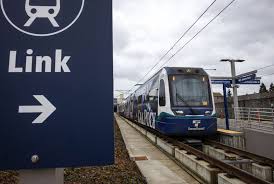
Federal Way Light Rail is a modern public transportation system. It uses electric-powered trains that run on dedicated tracks. This means it’s not affected by regular car traffic, making it a reliable way to travel.
The trains offer a comfortable ride and are a much greener alternative to driving a car, which helps reduce pollution.
The primary goal of this project is to provide a convenient and efficient transit link. It connects Federal Way to other important areas, including major job centers and popular destinations. This expansion is a part of a larger regional transit plan aimed at improving mobility for everyone in the area.
It’s all about making it easier for people to get where they need to go.
The Route And Stops
The federal way light rail line features several stations designed for easy access. These stations are strategically placed to serve key areas and neighborhoods. Each stop is built with passenger comfort and safety in mind, featuring shelters, seating, and clear signage.
Think of these stops as your gateways to the light rail system. You can easily hop on or off at any of them. The line travels along a specific path, linking Federal Way to the broader transit network.
This allows for seamless transfers to other bus routes or train lines, expanding your travel options significantly.
The main stops are planned to serve both residents and visitors. They aim to bring people closer to shopping, dining, work, and entertainment. The route is designed to be as direct as possible, cutting down on travel time and making public transit a more attractive choice for daily commutes and occasional trips.
Key Benefits Of Using Federal Way Light Rail
Using the federal way light rail offers many advantages. One of the biggest is saving time. Because it avoids road traffic, the light rail runs on a predictable schedule.
This means you can plan your trips with confidence, knowing you’ll arrive on time.
Another significant benefit is the cost savings. While there’s a fare to pay, it’s often cheaper than the expenses associated with owning and operating a car. This includes gas, insurance, maintenance, and parking fees, which can add up quickly.
The light rail offers an affordable way to travel.
Environmental benefits are also a major plus. Light rail trains are electric and produce zero direct emissions. This helps improve air quality and reduces your carbon footprint.
Choosing the light rail is a step towards a healthier planet. It’s a smarter choice for both your wallet and the environment.
Community connection is another important aspect. The light rail makes it easier for people to visit friends and family. It also brings people to local businesses and events.
This helps boost the local economy and strengthens community ties. A well-connected community is a vibrant community.
Planning Your Trip
Getting ready for your first ride on the federal way light rail is straightforward. The key is to know where you want to go and how to get to the nearest station. Think of it like planning any other outing.
Finding Your Nearest Station
To start, you’ll need to find out which light rail station is closest to you. There are usually maps available online from the transit authority. These maps show all the station locations.
You can also use navigation apps on your phone, which will guide you directly to the station.
Consider how you’ll get to the station. Many stations have parking lots if you prefer to drive. Others are easily accessible by walking or biking.
Some people might connect via a local bus route that drops them off right at the station. Think about the easiest way for you to reach the station.
Purchasing Tickets And Fares
Paying for your ride is usually simple. Most light rail systems use a fare system where you buy a ticket or a transit card. You can often purchase these at ticket machines located at each station.
Some systems also have mobile apps where you can buy tickets right on your phone.
The fare amount might depend on how far you are traveling. Some systems have flat fares, meaning the price is the same no matter the distance. Others have zone-based fares, where the price changes based on the zones you pass through.
It’s a good idea to check the transit authority’s website for current fare information.
Many systems offer different types of passes too. You might be able to buy a day pass if you plan to ride several times in one day. Weekly or monthly passes are often available for regular commuters.
These can offer savings compared to buying single tickets each time.
Understanding The Schedule
Knowing when the trains run is essential for a smooth trip. Light rail schedules are usually available online. You can typically find them on the transit authority’s website.
They will show the times the first and last trains depart from each station.
The frequency of trains can vary. During peak hours, like morning and evening commutes, trains usually run more often. This means you won’t have to wait very long for the next train.
During off-peak hours or on weekends, trains might run less frequently. Always check the schedule for the specific day and time you plan to travel.
It’s also wise to know about any service changes. Sometimes, due to construction or special events, schedules might be altered. The transit authority usually announces these changes in advance.
Staying informed helps you avoid any surprises and ensures you reach your destination on time.
Future Developments
The federal way light rail is not just about today; it’s also about tomorrow. There are often plans for extending the line or adding more stations. These developments aim to serve even more people and connect more areas.
Expansion Plans
Transit agencies are always looking for ways to improve and grow their services. For the federal way light rail, this could mean extending the line further north or south. It could also involve adding new stations in underserved neighborhoods.
These expansions are usually planned over several years.
The goal of expansion is to make public transit accessible to a larger population. This can help reduce traffic congestion across the entire region. It also supports economic development by connecting people to new job opportunities and commercial areas.
Future growth is key to a thriving city.
These projects often involve detailed planning and public input. Communities have a chance to voice their needs and ideas. This ensures that the future of the light rail serves the people it’s intended to help.
It’s a collaborative effort to build better transit for everyone.
Impact On The Community
New transit lines like the federal way light rail can have a big impact. They make it easier for people to live, work, and play in the area. This can lead to more vibrant neighborhoods and stronger local economies.
People can access jobs and services more easily.
For businesses, it can mean more customers. When it’s easier for people to get to a location, they are more likely to visit. This can lead to growth and new opportunities for local shops and restaurants.
The light rail can become a catalyst for economic vitality.
It also promotes a healthier lifestyle and environment. With more people using public transit, there are fewer cars on the road. This means less air pollution and traffic noise.
It contributes to a more pleasant and sustainable urban environment. It’s a win-win for people and the planet.
Common Myths Debunked
Myth 1: Light Rail Is Only For People Without Cars
This is not true. Many people who own cars choose to use the federal way light rail because it’s faster, cheaper, and less stressful than driving. It’s an option for anyone looking for convenient transportation, regardless of whether they own a vehicle.
It offers a practical alternative for various travel needs.
Myth 2: Light Rail Is Expensive To Use
While there is a fare, the cost of using the federal way light rail is often much lower than the total expenses of driving a car. Consider the costs of gas, insurance, maintenance, parking, and wear and tear on your vehicle. Light rail fares typically offer significant savings over time, especially for daily commuters.
Myth 3: Light Rail Construction Disrupts The Community For Too Long
Construction can cause temporary inconveniences, but transit agencies work to minimize disruption. Projects are planned with community input to manage traffic flow and noise. Once completed, the long-term benefits of improved connectivity and reduced congestion far outweigh the temporary construction phase.
Myth 4: Light Rail Is Not Reliable Due To Weather
Light rail systems are generally very reliable, even in various weather conditions. Unlike buses or cars that can be slowed by snow or heavy rain, light rail trains run on their own tracks and often have systems designed to operate efficiently year-round. Delays are typically rare and less frequent than with road traffic.
Frequently Asked Questions
Question: How often do the federal way light rail trains run?
Answer: Train frequency varies. During busy times like rush hour, trains usually come every 10-15 minutes. During less busy times, they might run every 20-30 minutes.
Question: Can I bring my bicycle on the federal way light rail?
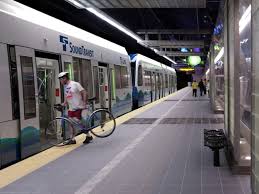
Answer: Yes, most light rail systems allow bicycles. There are usually designated areas on the train for bikes, and they can be secured there.
Question: What is the maximum speed of the federal way light rail?
Answer: The top speed can vary depending on the track and the system design, but light rail trains often reach speeds of 55 miles per hour or more on open stretches.
Question: Is the federal way light rail accessible for people with disabilities?
Answer: Yes, federal way light rail stations and trains are designed to be accessible. They typically feature ramps, elevators, and audio announcements for passengers with mobility or visual impairments.
Question: Where can I find information about fares and schedules?
Answer: You can usually find detailed fare information and current schedules on the official website of the transit authority that operates the federal way light rail.
Summary
The federal way light rail offers a simpler, faster, and greener way to travel. You now know how to find stations, buy tickets, and check schedules. Future plans promise even more connections.
Enjoy your easy travels on the federal way light rail.