Figuring out the federal way light rail station can seem a little tricky at first, especially if you are new to public transport routes or are just visiting. Lots of people wonder how to get there, what services it offers, and how it connects to other places. Don’t worry though!
We will walk through everything step by step, making it super easy to understand. Get ready to learn all about this important transit spot.
Key Takeaways
- How to easily get to the federal way light rail station.
- What makes the federal way light rail station a key stop.
- Tips for using the federal way light rail station for your trips.
- Information about services and connections at the federal way light rail station.
- How the station helps people get around Federal Way and beyond.
Getting To The Federal Way Light Rail Station
Reaching the federal way light rail station is simpler than you might think. This station is a major part of the Link light rail system, connecting Federal Way to cities north and south. It is designed to be accessible for everyone, whether you are driving, taking a bus, or even biking.
By Car
If you are driving, the station has parking available. This makes it a convenient option for people who live a bit further away or who need to combine car travel with light rail. The parking areas are clearly marked.
Signs will guide you to the best spots for station access.
- Parking Options
The station offers both paid and free parking. Paid parking is usually closer to the station entrance for quicker access. Free parking spots are also available, though they might be a short walk away.
Check the King County Metro website for the most current parking rates and rules.
- Directions
You can use any standard GPS app to find the station. Simply enter “Federal Way Link Light Rail Station” as your destination. The station is located near major roadways, making it easy to get to from various parts of the city and surrounding areas.
By Bus
Several bus routes serve the federal way light rail station directly. This integration means you can easily transfer from a bus to the light rail, or vice versa. Bus stops are conveniently located right at the station, allowing for a seamless connection.
- Connecting Bus Routes
Local bus services from Sound Transit and King County Metro connect to the station. These routes cover many neighborhoods, bringing passengers from different parts of the Federal Way area to the light rail. It is a good idea to check the transit agency’s schedules to find the best bus route for your starting point.
- Transit Hub Function
The station acts as a true transit hub. This means it is built to be a central point where different forms of public transportation meet. This design helps to reduce travel time and make public transit a more attractive option for daily commutes and longer trips.
By Bicycle
For cyclists, there are dedicated bike facilities. You can ride your bike to the station and secure it. This is a great option for those who want to combine exercise with their commute and reduce their carbon footprint.
- Bike Racks and Storage
Secure bike racks are available near the station entrances. Some locations might even offer bike lockers for a small fee, providing extra security for your bicycle. This encourages more people to use bikes for the first and last mile of their journey.
The Federal Way Light Rail Station As A Key Transit Point
The federal way light rail station is more than just a stop; it is a vital link in the region’s transportation network. Its strategic location and modern design make it a crucial point for many travelers. This station opens up new travel possibilities for residents and visitors alike.
Service Area and Connectivity
This station serves a large area of South King County. It provides a direct link to Seattle and other key destinations further north. This connection is a big deal for people who work, study, or want to explore different parts of the metropolitan area.
- Link Light Rail Network
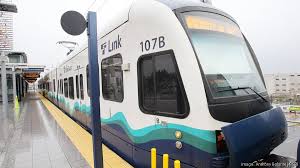
The station is part of the Link light rail system, which is expanding rapidly. This system is designed to move large numbers of people efficiently. It reduces traffic congestion and offers an alternative to driving.
The Link light rail line offers frequent service. This means you usually do not have to wait long for a train. The trains are comfortable and offer a smooth ride.
Many people find it a more relaxing way to travel than sitting in traffic.
- Regional Impact
The opening of the federal way light rail station has a significant positive impact on the region. It improves access to jobs, education, and recreation. This makes Federal Way and surrounding communities more connected and accessible.
Station Design and Features
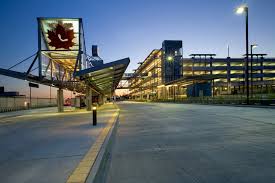
The station itself is a marvel of modern engineering and design. It is built with passenger comfort and safety in mind. Everything is designed to be easy to use, even for those who are not frequent transit users.
- Accessibility Features
The station is fully accessible. This includes features like ramps, elevators, and tactile warning strips for visually impaired passengers. This ensures that everyone can use the station comfortably and safely.
The goal is to make public transit work for all members of the community.
- Amenities
Passengers will find amenities such as restrooms, seating areas, and real-time arrival information displays. These features are there to make your wait more comfortable and to help you plan your trip effectively. Information screens show when the next train is due, helping to reduce anxiety about missing connections.
Economic And Community Benefits
The presence of a major transit station like this can bring significant economic and community benefits. It can spur development, create jobs, and make the area more attractive for businesses and residents.
- Economic Development
Transit-oriented development is a common outcome of such projects. This means new businesses and housing can spring up around the station. This brings more jobs and services closer to residents.
It can revitalize commercial areas and create vibrant community hubs.
One example is the growth seen around other light rail stations in the region. Businesses often benefit from increased foot traffic. Developers are attracted to areas with good transit links, leading to new construction and job creation.
- Community Connectivity
The station helps to connect different neighborhoods. It allows residents to easily visit friends and family in other parts of the city or region. This fosters a stronger sense of community and shared access to resources.
Making The Most Of Your Trip
Using the federal way light rail station for your travels is straightforward. With a little preparation, you can ensure a smooth and pleasant experience. Here are some tips to help you get the most out of your journey.
Planning Your Journey
Before you leave, it is always a good idea to plan your trip. This will save you time and reduce any potential stress.
- Using Transit Apps
There are several excellent apps available that can help you plan your trip. These apps provide real-time train and bus schedules, fare information, and route planning. Popular options include the Transit app and OneBusAway.
These tools are invaluable for checking if there are any delays or service alerts. They can also suggest the fastest or most convenient routes based on your starting point and destination. Using them makes public transit feel much more manageable.
- Fare Information
You will need an ORCA card or to pay fares through an app or ticket machine. An ORCA card is a rechargeable card that you can use for all Sound Transit and King County Metro services. You can purchase and load these cards at the station or online.
Fares are distance-based. You can find a fare chart on the Sound Transit website. Understanding the fare system before you travel helps to avoid confusion at the ticket machines or gates.
At The Station
Once you arrive at the federal way light rail station, follow the signs. They will lead you to the platforms and fare gates.
- Navigating The Platforms
Light rail platforms are usually clearly marked with the direction of travel. Look for signs indicating Seattle, Northgate, or other destinations. The real-time displays will confirm the next train’s destination and estimated arrival time.
- Boarding The Train
Wait behind the safety line on the platform until the train has come to a complete stop and the doors open. Always let passengers exit the train before you attempt to board. This ensures a smooth and orderly boarding process for everyone.
When boarding, look for open seating. If the train is crowded, stand clear of the doors. It is polite to offer your seat to elderly passengers, pregnant women, or those with disabilities.
On The Train
The light rail trains are designed for passenger comfort. Enjoy your ride!
- In-Train Information
Trains have announcements and digital displays that announce upcoming stops. Pay attention to these announcements to know when your stop is approaching. This is especially helpful if you are unfamiliar with the route.
- Etiquette
Be mindful of other passengers. Keep noise levels down and avoid taking up too much space with your belongings. This makes the ride pleasant for everyone.
Understanding Light Rail Technology
Light rail is a type of urban railway system. It uses electric trains that run on rails. These trains can run on tracks that are separate from road traffic, or they can sometimes share streets.
- How Electric Trains Work
Electric trains draw power from overhead wires or a third rail. At the federal way light rail station, you will see overhead wires that supply electricity to the trains. This electricity powers the motors that move the train.
Electric trains are known for being clean and quiet compared to diesel trains.
The electrical system is complex. It involves substations that convert high-voltage power from the grid into the voltage needed for the trains. This power is then transmitted to the trains via the overhead catenary system.
- Infrastructure
Light rail systems require dedicated tracks, stations, and power systems. The tracks can be built at ground level, in tunnels, or on elevated guideways. The federal way light rail station and its connecting lines are a significant infrastructure investment.
The infrastructure is designed for longevity and reliability. Maintenance crews work to keep the tracks, signals, and power systems in good working order. This ensures the safety and efficiency of the entire network.
- Environmental Benefits
Light rail is an environmentally friendly mode of transportation. Because it uses electricity, it produces zero direct emissions. This helps to improve air quality in urban areas and reduce the overall carbon footprint of transportation.
The shift to electric transit like light rail is a key part of many cities’ efforts to combat climate change. It offers a sustainable alternative to personal vehicle use, which is a major source of greenhouse gas emissions.
Common Myths Debunked
Myth 1: Light Rail Is Always Expensive And Slow
Reality: While building light rail requires significant investment, its long-term benefits often outweigh the costs. Light rail can be very efficient for moving large numbers of people, especially in congested urban areas. It can often be faster than driving when traffic is bad.
Myth 2: Light Rail Is Only For City Centers
Reality: Modern light rail systems, like the one including the federal way light rail station, are designed to connect wider suburban areas to urban cores. They extend the reach of public transit, making it accessible to more people.
Myth 3: Light Rail Is Noisy And Disruptive
Reality: Modern light rail vehicles are much quieter than older transit systems. They are designed to minimize noise pollution for surrounding neighborhoods. The electric power source also contributes to quieter operation.
Myth 4: You Need Special Tickets For Light Rail
Reality: While you need to pay a fare, systems like Sound Transit use integrated fare systems, such as the ORCA card. This makes paying for light rail rides as simple as using your bus fare.
Frequently Asked Questions
Question: How often do trains run from the federal way light rail station?
Answer: Trains typically run every 10-15 minutes during peak hours and every 20-30 minutes during off-peak hours. It is always a good idea to check the real-time schedule on a transit app for exact timings.
Question: Is there Wi-Fi available on the trains?
Answer: Currently, Wi-Fi is not available on all Link light rail trains, but it is a feature that transit agencies are considering for future upgrades. You can usually access Wi-Fi at the station itself.
Question: Can I bring my pet on the light rail?
Answer: Small pets in secure carriers are generally allowed. Larger pets may be permitted if they are service animals or if specific rules are followed, but it is best to check the official Sound Transit pet policy.
Question: What are the operating hours for the federal way light rail station?
Answer: The station typically opens early in the morning and closes late at night to accommodate most commuters. Exact hours can vary, so checking the Sound Transit website or a transit app is recommended.
Question: Are there places to eat or shop at the federal way light rail station?
Answer: While the station is primarily for transit, there might be small convenience stores or vending machines available. For a wider selection of dining and shopping, you would typically find those in the surrounding areas connected by bus routes or a short walk away.
Summary
The federal way light rail station offers a convenient and efficient way to travel. Whether you drive, take a bus, or bike, getting there is easy. It connects you to many destinations through the Link light rail system.
Plan your trip, use the ORCA card, and enjoy a smooth ride. This station makes our region more connected.