Finding clear information about the federal way light rail opening can feel a little tricky when you first look. You might see a lot of dates or technical terms that make it seem more complicated than it needs to be. But don’t worry, we’ll walk through it step-by-step together.
This guide will make it easy to understand exactly what you need to know about this exciting new transit option. Let’s find out when and how you can start using it.
Key Takeaways
- You will learn when the federal way light rail is expected to open.
- Key areas served by the new line will be explained.
- You will understand how this new rail line benefits the community.
- Information about station access and parking will be provided.
- Tips for your first ride will be shared to make it smooth.
Federal Way Light Rail Opening Date
The opening of the federal way light rail marks a significant milestone for public transportation in the region. This expansion brings much-needed transit options to Federal Way and surrounding areas, connecting more people to jobs, education, and recreation. Understanding the timeline for this major project is key for anyone eager to use the new service.
The anticipation for the federal way light rail opening has been building, and for good reason. It promises to transform commutes and reduce traffic congestion.
Project Phases and Current Status
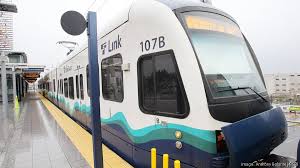
The Sound Transit Link light rail expansion south to Federal Way is part of a larger plan to improve regional transit. This project has involved several years of planning, design, and construction. Different parts of the line were completed at various times.
The goal was always to open the entire segment as a complete system to serve the most people effectively.
Construction involves building new tracks, stations, and supporting infrastructure. This includes everything from bridges and tunnels to power systems and signal equipment. Crews have been working diligently to ensure all components are safe and operational.
The current status focuses on final testing and systems integration. This ensures trains can run smoothly and reliably.
Official Opening Announcement
While an exact date can sometimes shift due to construction needs and testing, official announcements are usually made by Sound Transit. These announcements provide the confirmed date and time for the public. It is always best to check the official Sound Transit website or their news releases for the most accurate and up-to-date information regarding the federal way light rail opening.
This ensures you have the precise details as soon as they are available.
The public is typically invited to celebrate the opening with special events. These events often include ribbon-cutting ceremonies and opportunities to be among the first to ride the new line. These celebrations highlight the collaborative effort involved and the community’s excitement for improved transit.
Federal Way Light Rail Stations
The new federal way light rail line will feature several key stations. Each station is designed to be accessible and convenient for riders. These stations serve as important hubs, connecting communities to the wider Link light rail system.
Knowing the locations of these stations is helpful for planning your trips.
Federal Way Station Location and Features
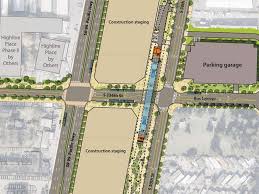
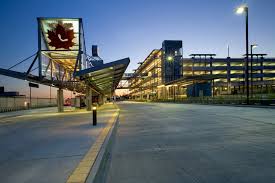
The main Federal Way station is strategically located to serve the core of the city. Its placement aims to be accessible from major roads and residential areas. This station is designed with modern amenities to provide a comfortable transit experience for passengers.
- Accessibility: The station is built with universal design principles. This means ramps, elevators, and tactile paving are included to help people with disabilities. It makes getting on and off the train easy for everyone.
- Parking Facilities: To support commuters who drive, ample parking will be available. This includes dedicated areas for park-and-ride users. Information on parking fees or permits, if any, will be released closer to the opening.
- Bicycle Amenities: Secure bicycle parking and storage options will be provided. This encourages multimodal commutes where people can cycle to the station and then take the train.
- Bus Connections: The station is planned to integrate seamlessly with existing and new bus routes. This creates a convenient transfer point for bus riders to connect to the light rail.
Other Key Stations Along the Line
In addition to the Federal Way station, the line includes other important stops. These stops serve different neighborhoods and commercial areas. Each station plays a vital role in extending the reach of light rail service.
For instance, stations like Kent/Des Moines and Star Lake offer access points for residents and workers in those specific communities. The design of these stations mirrors the commitment to accessibility and convenience seen at the main Federal Way station. They are equipped with similar amenities to ensure a consistent and positive rider experience across the entire line.
The development of these stations involved community input. This helped ensure they met the local needs of the areas they serve. Planning for future service needs and potential connections is also a part of the station design.
Benefits of the Federal Way Light Rail
The introduction of light rail service to Federal Way brings a host of benefits to residents and the region. It’s more than just a new way to get around; it’s a catalyst for economic growth and improved quality of life. These advantages extend to environmental impact, traffic reduction, and economic opportunities.
Reduced Traffic Congestion
One of the most significant benefits is the potential to ease traffic congestion. As more people opt for public transit, the number of single-occupancy vehicles on the road decreases. This leads to shorter commute times for everyone, including those who continue to drive.
Traffic congestion not only wastes time but also contributes to air pollution and increased fuel consumption. By offering a reliable and convenient alternative, the federal way light rail opening aims to alleviate these issues. This makes travel smoother and more predictable.
Studies show that for every 10% increase in public transit use, road congestion can decrease by a noticeable amount. This is especially true in urban and suburban corridors where traffic is heaviest. The new line is expected to divert thousands of car trips daily.
Environmental Impact
Light rail is an environmentally friendly mode of transportation. Electric trains produce zero tailpipe emissions, which helps improve air quality. This is a major advantage in urban areas concerned about pollution.
A single light rail train can carry as many passengers as dozens of cars. This translates to a significant reduction in overall energy consumption and greenhouse gas emissions per passenger mile. Choosing light rail over driving is a tangible way for individuals to reduce their carbon footprint.
Furthermore, the construction of the line often incorporates sustainable practices. This includes using recycled materials and implementing energy-efficient designs for stations and maintenance facilities. The long-term operational benefits for the environment are substantial.
Economic Opportunities
The federal way light rail opening is also expected to stimulate economic development. New transit lines often lead to increased property values near stations. This can encourage investment in businesses and housing.
Improved transit access makes it easier for people to reach job centers. It also makes Federal Way a more attractive place for businesses to locate, as their employees will have better commuting options. This can lead to job creation and economic diversification.
Additionally, the construction phase itself creates jobs. These jobs range from engineering and skilled trades to administrative and support roles. Once operational, the light rail system also requires ongoing employment for maintenance, operations, and customer service staff.
Planning Your First Ride
Once the federal way light rail opens, taking your first ride should be an exciting experience. With a little planning, you can ensure your trip is smooth and enjoyable. Here are some tips to help you get ready for your inaugural journey on the new line.
Using Transit Apps and Websites
Before you head out, it’s a good idea to familiarize yourself with transit planning tools. Sound Transit provides an official website and often partners with transit app developers. These resources offer real-time arrival information, schedules, and route maps.
- Sound Transit Website: This is the primary source for all official information. You can find service alerts, fare information, and detailed maps of the Link light rail system. It’s a reliable place to check for updates regarding the federal way light rail opening.
- Transit Apps: Popular apps like OneBusAway, Transit, and Google Maps can provide real-time train locations and predicted arrival times. They often integrate all local transit options, making it easy to plan multi-modal trips.
- Trip Planner Tools: Many transit websites and apps feature trip planners. You input your starting point and destination, and they will suggest the best routes, including transfers and estimated travel times.
Understanding Fares and Payment
Understanding how to pay your fare is essential for a hassle-free ride. Sound Transit uses an ORCA card system for most of its fare payments. This smart card system allows for quick and easy tap-and-go payments.
You can purchase an ORCA card at many retail locations, transit station vending machines, or online. Fares are distance-based, meaning the cost of your ride depends on how far you travel. You can load money onto your ORCA card online, at vending machines, or through the ORCA app.
For those without an ORCA card, some systems allow for single-ride ticket purchases at station vending machines. It’s always good to check the specific fare policy for the Link light rail before your first trip. Information on reduced fares for seniors, youth, and persons with disabilities is also available.
Station Etiquette and Tips
Riding public transit is a shared experience, and following some basic etiquette makes it pleasant for everyone. Being aware of how to behave at the station and on the train ensures a positive journey.
When you are at the station, stand behind the designated waiting lines. Allow passengers to exit the train completely before you attempt to board. On the train, offer your seat to seniors, pregnant individuals, or those with disabilities.
Keep your belongings from occupying extra seats, especially during busy times.
It is also important to keep noise levels down. Avoid loud phone conversations or playing music without headphones. Following these simple guidelines contributes to a more comfortable and respectful environment for all riders.
Common Myths Debunked
Myth 1: The light rail will only serve downtown areas.
This is a common misconception. While the light rail connects to major urban centers, the federal way light rail opening specifically aims to serve suburban communities like Federal Way and Kent. The goal is to provide accessible transit options for a wider range of people and neighborhoods, not just downtown cores.
This expansion connects residents directly to employment centers and amenities without requiring them to travel through congested downtown areas first.
Myth 2: Light rail is too slow compared to driving.
While driving might seem faster for very short trips, light rail can often be quicker for longer commutes, especially during peak traffic hours. Dedicated tracks and signal priority mean light rail trains are not subject to road traffic delays. This makes their travel times more predictable and, in many cases, faster than driving in congested areas.
The federal way light rail is designed to offer a reliable alternative to sitting in traffic.
Myth 3: Light rail is not safe for passengers.
Light rail systems are generally very safe. Modern trains and stations are equipped with safety features, and transit agencies implement rigorous security measures. This includes surveillance systems and trained personnel.
Statistics consistently show that public transit, including light rail, is one of the safest modes of transportation available.
Myth 4: The new line will be too expensive for regular use.
While there is a cost associated with using public transit, it is often more economical than owning and operating a car. When you factor in gas, insurance, maintenance, parking, and wear-and-tear, driving can be significantly more expensive. Light rail fares are generally competitive, especially when considering the cost savings of not driving.
Sound Transit also offers various fare programs, including reduced fares for certain groups.
Frequently Asked Questions
Question: When exactly is the federal way light rail opening?
Answer: The official opening date will be announced by Sound Transit. It is recommended to check their official website for the most current information as this date can be subject to construction and testing progress.
Question: What are the main stations on the new federal way line?
Answer: Key stations include the main Federal Way station, Kent/Des Moines, and Star Lake, connecting communities along the route to the wider Link light rail system.
Question: How much will it cost to ride the federal way light rail?
Answer: Fares are typically distance-based and can be paid using an ORCA card or at station vending machines. Specific fare details will be available from Sound Transit closer to the opening date.
Question: Will there be parking at the new stations?
Answer: Yes, most stations, including the main Federal Way station, are planned to have park-and-ride facilities to accommodate commuters.
Question: How can I get real-time updates on train arrivals?
Answer: You can use transit apps like OneBusAway or Google Maps, or check the official Sound Transit website for real-time arrival information and service alerts.
Conclusion
The federal way light rail opening is set to bring significant improvements to regional transit. It offers a cleaner, more efficient, and often faster way to travel. With new stations and accessible features, riding the light rail will be a convenient choice for many.
Start planning your trips now to take advantage of this exciting new transit option.